


2 products


Optimal bioavailability
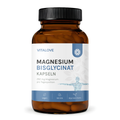
Magnesium is an important mineral that is essential for many bodily functions. It is found in many foods and is also available in the form of dietary supplements. VITALOVE’s magnesium glycinate is a form of magnesium bound to the amino acid glycine, which enables the body to absorb the magnesium more effectively.
It is one of the most bioavailable forms of magnesium, meaning it can be more easily absorbed and utilised by the body. This form of magnesium is often recommended for people who have difficulty absorbing other forms of magnesium, such as magnesium oxide or magnesium citrate. It is also suitable for people with sensitive stomachs, as it is gentle on the digestive system.
This specific form of magnesium is available in various formats, including capsules, tablets and powder. It is also available in combination with other vitamins and minerals, making it easier to meet the recommended daily intake of magnesium.
Magnesium glycinate is often recommended as a dietary supplement for people who are deficient in magnesium or who suffer from a condition that makes it difficult to absorb other forms of magnesium. It can also be helpful for muscle fatigue, as it helps to relax the muscles and replenish magnesium levels in the body.
How to take it
Magnesium glycinate can be taken in various ways. It can be taken on its own or with food, and it can also be stirred into water or juice to provide an extra boost of magnesium. It is important to take magnesium glycinate as directed by a doctor, as taking too much magnesium can lead to unwanted side effects.
Whether you take magnesium glycinate capsules or opt for the powder form is purely a matter of personal preference. However, it is important to stick to the daily dose. A dose of 200 to 400 milligrams per day is generally recommended. The exact recommended dose, however, depends on the individual’s health, age and other factors.
It is important to consult a doctor before taking it, as it may interact with certain medicines and dietary supplements. For example, magnesium can reduce the absorption of certain antibiotics and antifungals. It is also not recommended for people with kidney disease or impaired kidney function.
As well as the daily dose, it is also important to consider the form of magnesium glycinate taken. It is generally available in two forms: chelated and non-chelated. Chelated magnesium is usually better absorbed by the body and is therefore recommended for people with poor absorption or for those who require higher doses.
Effects of magnesium
Magnesium is an essential mineral that plays a vital role in many functions and processes within the body. It helps maintain normal bones and normal energy metabolism. Furthermore, magnesium contributes to electrolyte balance and plays a role in cell division.
Furthermore, magnesium helps the body absorb calcium, which is important for maintaining normal bones and teeth. It also contributes to normal muscle function and protein synthesis.
Taking magnesium can also help to reduce tiredness and fatigue. It helps maintain the normal function of the nervous system. Furthermore, magnesium contributes to normal psychological function.
Magnesium in food
Many plant-based foods are rich in magnesium, including beans, pulses, nuts and seeds. For example, a quarter of a cup of pumpkin seeds provides up to 92 mg of magnesium. Other plant-based sources of magnesium include whole grains, dark leafy vegetables and avocados.
Animal-based foods such as fish, seafood and dairy products also contain significant amounts of magnesium. For example, a portion of halibut weighing approximately 100 grams contains around 47 mg of magnesium.
In addition, magnesium is added to many fortified foods. These include breakfast cereals, bread and some fortified plant-based milk products.
When it comes to food, it is important to bear in mind that magnesium content can vary considerably. It is therefore best to check the nutritional information on the food packaging to determine exactly how much magnesium a food contains.
Frequently asked questions
Magnesium glycinate powder or capsules?

