


10 products


![Omega 3 Kapseln mit DHA und EPA aus Algenöl - vegan - [konventionell!] - VITALOVE - Naturprodukte](http://vitilove.com/cdn/shop/files/omega-3-kapeln-mit-dha-und-epa-aus-algenoel-vegan-native-goods.jpg?v=1782664312&width=480)


What is omega-3?
Omega-3, or omega-3 fatty acids, are a type of polyunsaturated fatty acid and are of enormous importance to us humans. They are considered ‘good fats’ as they have a positive effect on health. However, our bodies cannot produce these nutrients themselves. It is therefore essential that we obtain them through our diet.
Effects and benefits
Omega-3 is an important nutrient that fulfils many different functions. Among other things, it is a component of cells and is also involved in hormone production. It is often said that these fatty acids are good for the heart. In fact, they help us to maintain normal heart function. They also contribute to the proper functioning of the brain. But that is by no means all: omega-3 can support eyesight, strengthen the immune system and have anti-inflammatory effects.
The most important omega-3 fatty acids
Of the various fatty acids, three are particularly important: ALA, DHA and EPA. These abbreviations stand for alpha-linolenic acid, eicosapentaenoic acid and docosahexaenoic acid. For the sake of clarity, we’ll stick to the abbreviations.
ALA
ALA is found primarily in vegetable oils. The other two fatty acids, EPA and DHA, can be produced from it. ALA is therefore an essential fatty acid. Among other things, it can help maintain healthy cholesterol levels in the blood.
DHA
DHA is mainly found in oily fish such as salmon, sardines and mackerel. This fatty acid supports the body in maintaining normal vision as well as healthy heart and brain function.
DHA also acts as an important component of cell membranes.
EPA
EPA is also found mainly in fish and seafood. It plays a particularly important role in anti-inflammatory processes, initiating them and ultimately helping them to subside.
Omega-3 fatty acids in food
To meet the body’s important requirement for fatty acids, you should eat foods that are rich in precisely these fatty acids. The main sources of omega-3 fatty acids are primarily fish such as salmon, herring, mackerel, sardines and tuna. However, not everyone is a keen fish-eater; many people also avoid animal products altogether and follow a vegan diet.
These fatty acids can also be found in many plant-based foods such as linseeds and chia seeds, soya beans and walnuts. Seaweed and avocados are also significant sources of omega-3.
Cold-pressed cooking oils such as linseed oil, rapeseed oil, walnut oil and hemp oil are particularly well known for their high content of omega-3 fatty acids.
The right amount
To support the body as effectively as possible, it is very important to consume sufficient omega-3 fatty acids. The daily requirement can be met through various foods. If this is not possible due to a particular diet, it is advisable to take dietary supplements as well.
However, you should not only ensure you consume enough fatty acids, but also avoid taking too much. You should therefore always follow the recommended intake.
If you take too much, the following side effects may occur:
- elevated cholesterol levels
- Nausea
- Vomiting
- a weakened immune system
- cardiac arrhythmia
Symptoms of a deficiency
A deficiency of omega-3 fatty acids in the body can lead to various symptoms. This deficiency arises from an insufficient intake of these fatty acids, for example due to an unbalanced diet. Symptoms of a deficiency include, for example:
- Exhaustion
- dry skin
- Restlessness
- Difficulty concentrating
- Skin and hair problems
- impaired vision
Omega-3 in dietary supplements
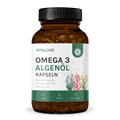
Meeting our body’s requirement for fatty acids is essential for many of its processes. If it is not possible to meet this requirement through diet alone, dietary supplements are an option. These are usually available in the form of oils and capsules. Particularly if you follow a vegan diet, these supplements can help you reach the recommended daily intake. In this way, you support your body in all the processes in which omega-3 plays a part.
Omega-3 and Omega-6
The relationship between omega-3 and omega-6 fatty acids plays a crucial role. Striking the right balance between the two is important. If you consume too many omega-6 fatty acids, your body can no longer absorb omega-3. In the worst-case scenario, an imbalance can contribute to the development of diseases.Frequently asked questions
Is omega 3 healthy?

